1. Structure of Burn-In Test Sockets
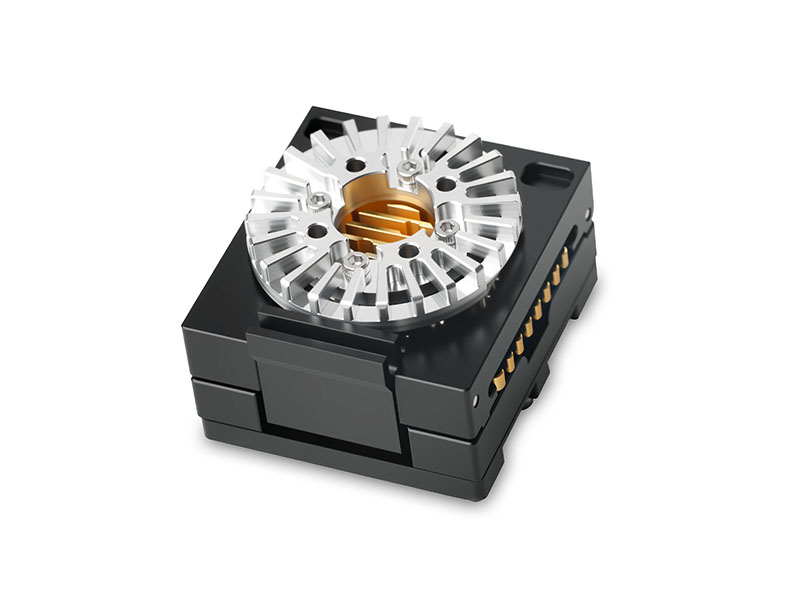
The structure of a burn-in test socket consists of a frame, controller, temperature controller, data logger, sensors, and other components. The frame is the support structure of the burn-in test socket, used to mount other components. The controller is the core of the burn-in test socket; it controls the operating status of the socket based on external control signals and internal status signals. The temperature controller is used to regulate the temperature of the burn-in test socket, ensuring stable operation. The data logger is part of the burn-in test socket; it collects signals such as temperature and humidity and provides the operating status of the socket. Sensors are an important part of the burn-in test socket; they monitor environmental parameters such as temperature, humidity, and pressure, as well as the operating status of the socket.
2. Functions of Burn-In Test Sockets
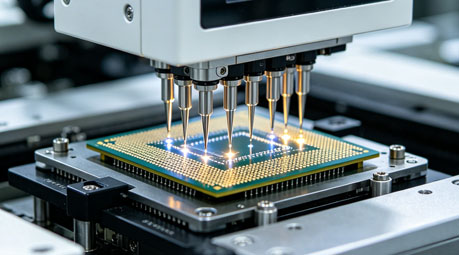
The primary function of burn-in test sockets is for burn-in testing. They can simulate real-world environmental conditions to detect whether products will change during long-term aging, thereby performing stability testing on products to ensure quality. Additionally, burn-in test sockets have automatic control capabilities, enabling precise control of temperature, humidity, and other environmental parameters to ensure test stability. Burn-in test sockets also provide data logging functions for data collection during testing, facilitating subsequent analysis and data processing.
3. Applications of Burn-In Test Sockets
Burn-in test sockets are mainly used for product burn-in testing, primarily for electronic components, electronic products, automotive parts, power supplies, chips, magnetic media, etc. They can also be used for aging tests in industries such as food, pharmaceuticals, and cosmetics. Burn-in test sockets simulate real usage environments to perform stability testing on aged products, ensuring product quality.
4. Features of Burn-In Test Sockets
Burn-in test sockets have reliable performance. They can simulate conditions identical to real-world environments, replicate actual usage environments, provide precise temperature control, support multi-parameter automatic control, enable automatic control of various environmental parameters, and offer automatic data logging functions to perform stability testing on aged products.
5. Operation of Burn-In Test Sockets
The operation of burn-in test sockets mainly includes steps such as starting, stopping, setting parameters, and checking status. First, start the burn-in test socket to ensure the controller and other components are working properly. Then, set the parameters of the burn-in test socket, such as temperature, humidity, and pressure. Next, start the burn-in test socket to begin the burn-in test. Finally, stop the burn-in test and check the operating status of the socket to ensure the correctness of the burn-in test.
6. Advantages of Burn-In Test Sockets
Burn-in test sockets offer advantages such as high accuracy, strong stability, good reliability, and simple operation. They use advanced temperature control technology, enabling automatic control and precise regulation of environmental parameters such as temperature, humidity, and pressure to ensure test stability. Burn-in test sockets also have data logging capabilities for data collection, facilitating subsequent analysis and data processing. Additionally, they feature automatic control functions that allow for multi-parameter environmental control, ensuring the accuracy of burn-in tests.

 WeChat
 WeChat Account
 Chinese
 English