1. Structural Design of RF Test Fixtures The structural design of RF test fixtures must meet both testing requirements and mechanical requirements. The structure of an RF test fixture generally consists of the cable interface, the device under test (DUT), and the control unit. The cable interface must use reliable connections to ensure test signal accuracy. The DUT must be compatible with the actual test environment, have good magnetic and electrical conductivity, and be capable of processing analog signals. The control unit must have good mechanical performance to ensure stable signal transmission and accuracy.
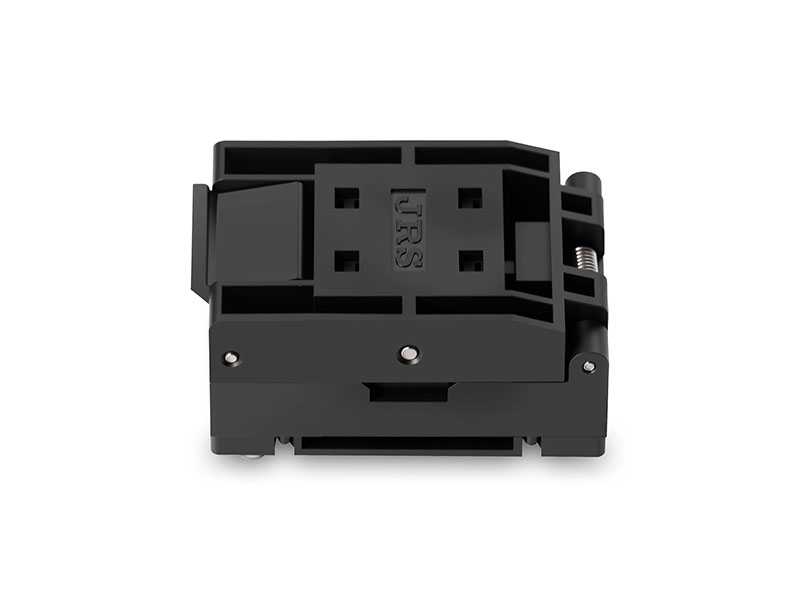
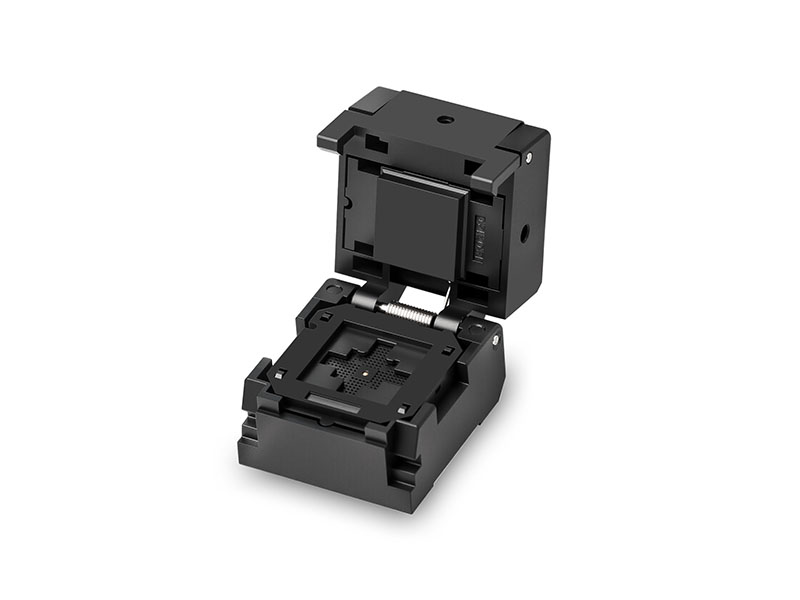
1. Structural Composition of IC Test Sockets. Frame Structure: The frame structure of an IC test socket generally consists of a base, a sliding carriage, a bracket, a support frame, etc. The base is typically made of steel plate. The sliding carriage is used for the sliding support frame, the bracket is used to support the test socket, and the support frame is used to support the test items.
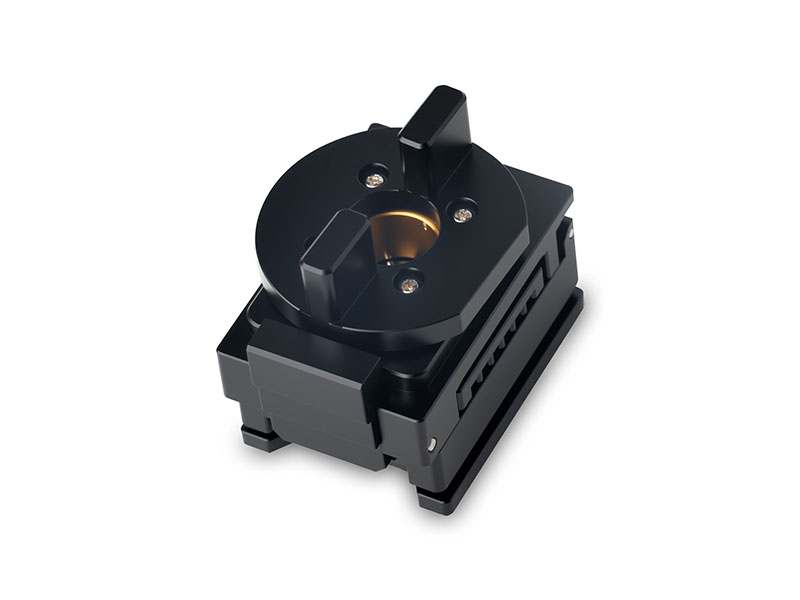
1. Material Selection:The material selection for HAST burn-in sockets is very important. Factors such as heat resistance, aging resistance, impact resistance, and corrosion resistance should be comprehensively considered to ensure the service life and safety of the HAST burn-in socket. When selecting materials, high-quality materials with high temperature and corrosion resistance should be chosen whenever possible to ensure stable performance and normal operation of the HAST burn-in socket.
1. Features of HAST Burn-In Sockets:HAST burn-in sockets are mostly made of metal materials, with surfaces often treated by spraying or baking paint. They have good corrosion resistance and aging resistance, a smooth surface, and are not prone to dust accumulation. Additionally, they have good insulation properties, high temperature resistance, and low temperature resistance, allowing them to overcome various harmful environmental factors and operate normally in a wide range of harsh environments. Furthermore, HAST burn-in sockets have high strength, toughness, and hardness, which can withstand strong impacts and are not easily damaged during use.
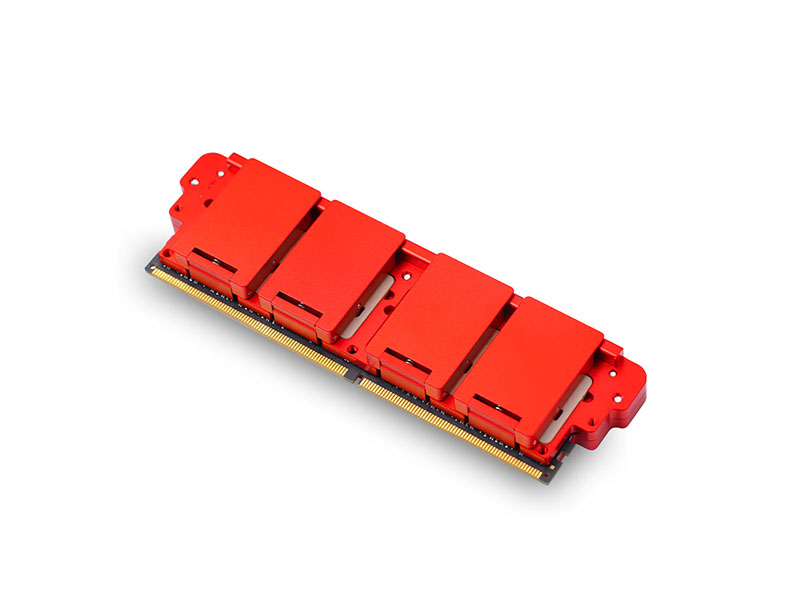
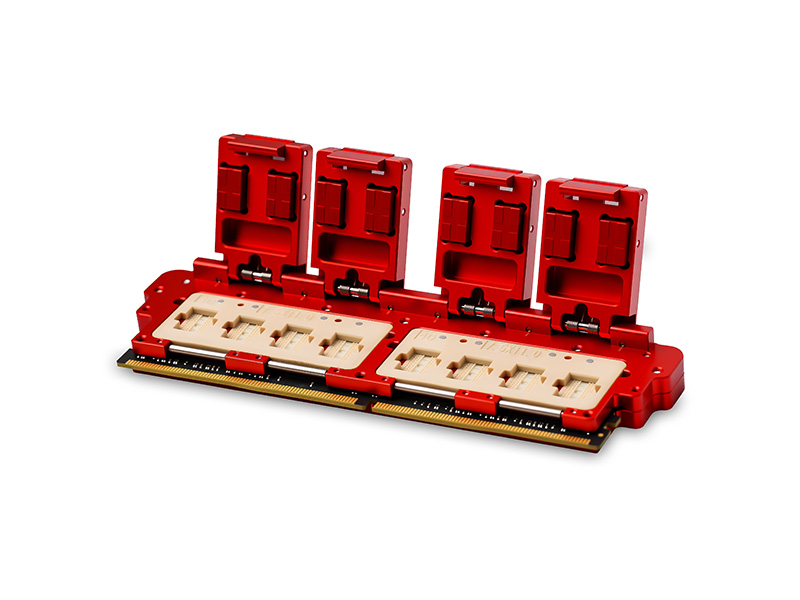
1. Functions of a DDR Test Socket:1. Supports testing of DDR memory to determine its performance parameters; 2. Supports in-depth testing of DDR memory, enabling deep inspection of the memory's address space, data space, and timing space;
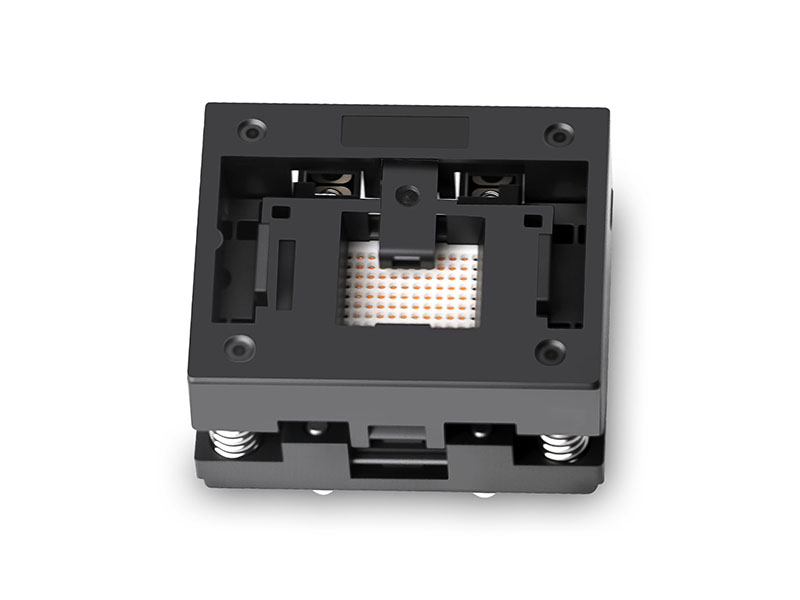
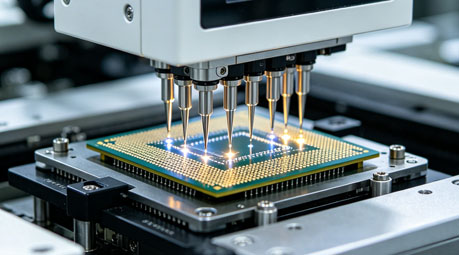
Selecting the right BGA test socket can make your BGA chip testing more accurate and reliable. To ensure the accuracy of BGA chip test results, you should fully understand the characteristics of BGA test sockets and the key points to consider when purchasing one. Below are the key points for selecting a BGA test socket:1. Specific Chip Specifications: The size of the BGA test socket must exactly match the dimensions of the chip; otherwise, testing cannot be performed. Therefore, when selecting a BGA test socket, you should consider the specifications of the chip you need to test in order to choose the most suitable BGA test socket.
Total6
Total pape1 |
Previous1
9First page
7Previous Page
Next page8
End Page:
Jump:

 WeChat
 WeChat Account
 Chinese
 English