1. Professional Test Socket Manufacturer 1) Product Quality: A test socket manufacturer should possess professional technical expertise to ensure product quality and stable performance, meeting customer requirements. 2) Manufacturing Processes: A test socket manufacturer should have well-established manufacturing processes to ensure product reliability and on-time delivery, ensuring that customers receive their products in a timely manner. 3) Service Capability: A test socket manufacturer should be capable of providing excellent service, ensuring that customer needs are met promptly, resolving issues, and offering timely technical support.
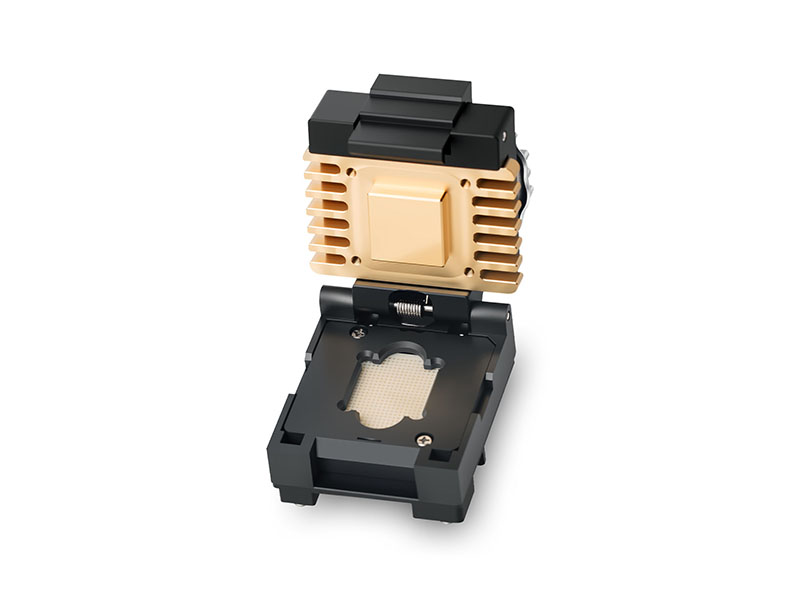
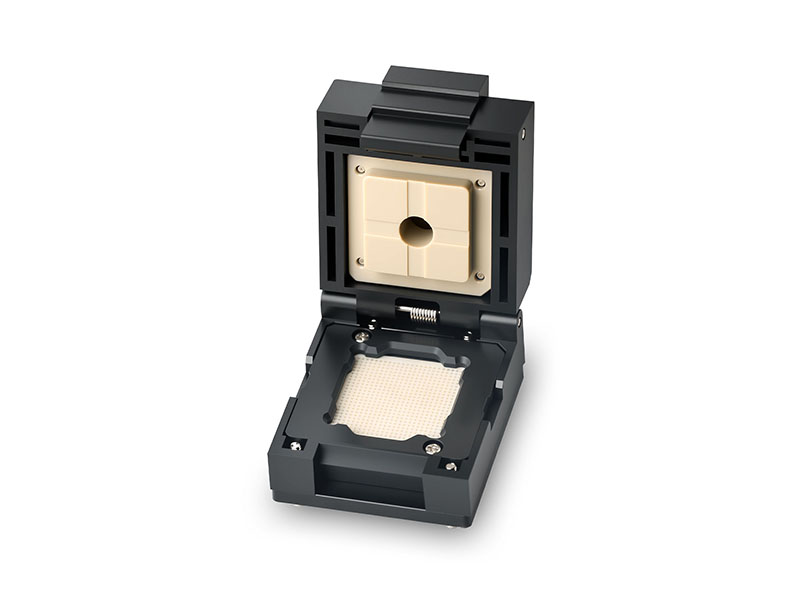
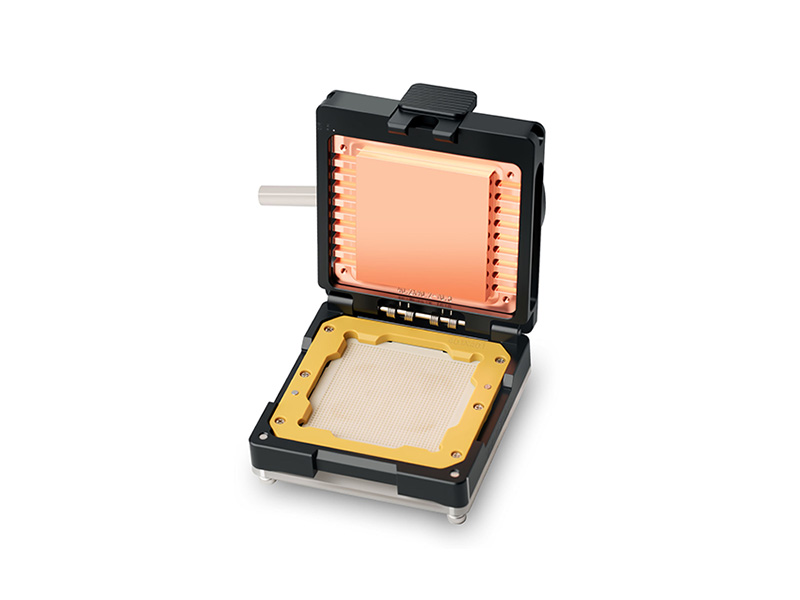
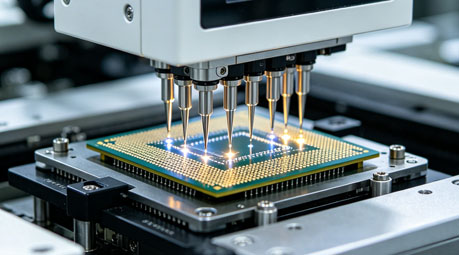
BGA test fixtures play a critical role in chip packaging testing. They help chip manufacturers perform performance testing to ensure chip reliability and quality. This article provides a detailed discussion of the importance of BGA test fixtures for chip performance testing, analyzing the following six aspects: 1. Features of BGA Test Fixtures BGA test fixtures are characterized by high precision and reliability, enabling them to meet complex chip packaging test requirements. They provide accurate test data to ensure chip performance and reliability. In addition, BGA test fixtures offer advantages such as fast testing, high production efficiency, and cost savings.
A burn-in test socket, also known as a burn-in chamber or burn-in rack, is a type of aging test equipment used for product testing. Its purpose is to test the aging characteristics, durability, and safety performance of products. When selecting a burn-in test socket, the following points should be considered: 1. Functional Requirements of the Burn-In Test Socket When selecting a burn-in test socket, the first consideration should be your own functional requirements, including the application scope of the burn-in test socket, as well as the intended use, environmental requirements, load specifications, etc. Based on current application needs, you can determine the required load specifications, as well as test environment conditions such as temperature and humidity, to identify the necessary performance level of the burn-in test socket.
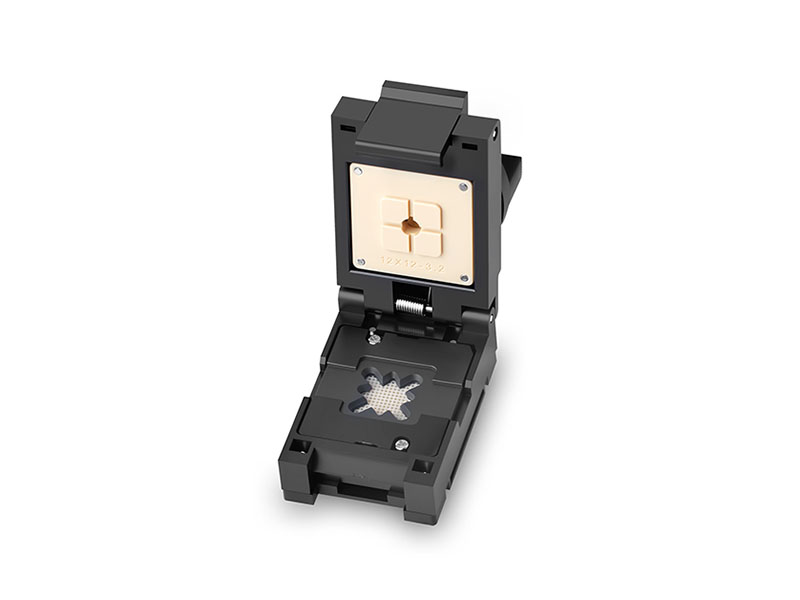
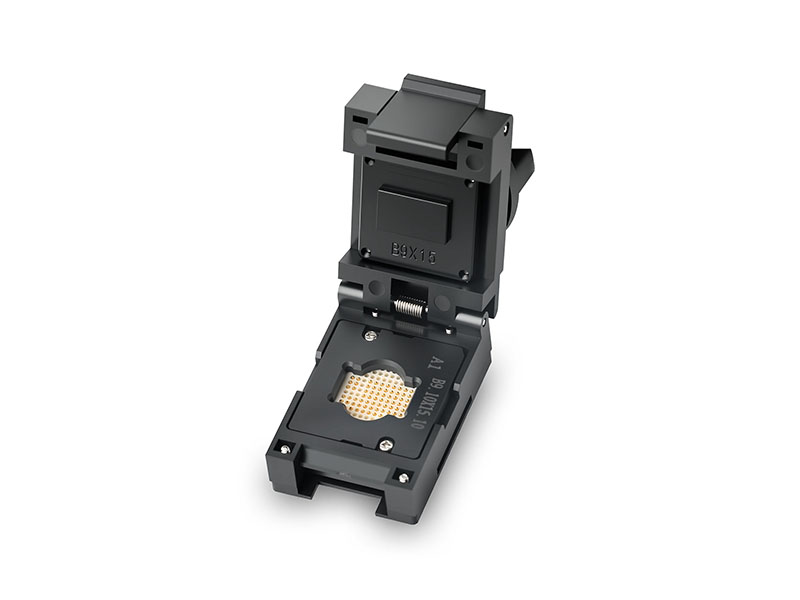
1. Structural Design of Chip Test Sockets A chip test socket mainly consists of two parts: first, the chip support base, which is used to support and position the chip; second, the test head, which is used to perform chip testing. The structural design of the chip test socket must meet the specific requirements of chip testing, featuring high precision, high stability, and strong anti-interference capability. 2. Model Selection for Chip Test Sockets The model selection of a chip test socket should be determined based on different chip testing requirements. Common types include single-chip test sockets, multimedia chip test sockets, and industry-specific chip test sockets. The appropriate model should be selected according to the chip testing requirements to meet various testing needs.
1. Performance of Chip Test Sockets 1. Test Accuracy: Test accuracy is the most important factor for a chip test socket. It must be able to accurately measure chip performance parameters and is the foundation of chip testing. 2. Test Stability: Chip test sockets require high test stability. They need good load capacity and the ability to resist interference, maintaining stable performance during long-duration testing. 3. Test Efficiency: Test efficiency is very important for chip test sockets. High test efficiency is required to quickly and accurately measure chip performance parameters, shorten test time, and improve overall testing efficiency.
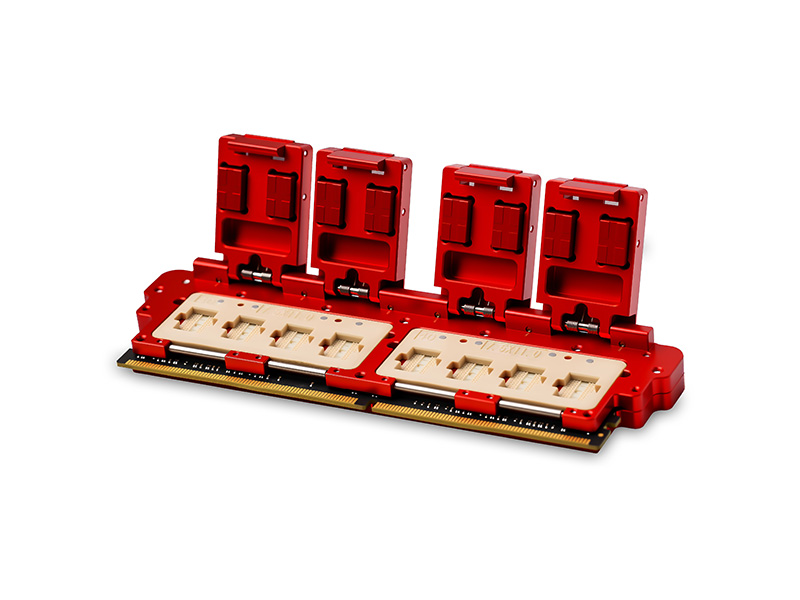
A DDR test socket is a tool used to test Dynamic Random Access Memory (DDR). It can measure memory speed, stability, and other performance metrics. When you need to test newly purchased DDR memory modules or accurately evaluate the performance of existing modules, a DDR test socket is required. 1. Structural Design of DDR Test Sockets: 1. Fully consider safety, enhance product structural strength, and ensure the stability and durability of the test socket; 2. Use load calculation to design a reasonable structure, enabling the test socket to withstand significant loads; 3. Use high-quality materials to ensure the stability of the test socket, allowing it to function properly even in harsh environments; 4. Design the appearance reasonably to ensure an aesthetically pleasing, clean, and professional look, improving the visibility of the test socket;
Total6
Total pape1 |
Previous1
9First page
7Previous Page
Next page8
End Page:
Jump:

 WeChat
 WeChat Account
 Chinese
 English