1. Structural Composition of IC Test Sockets
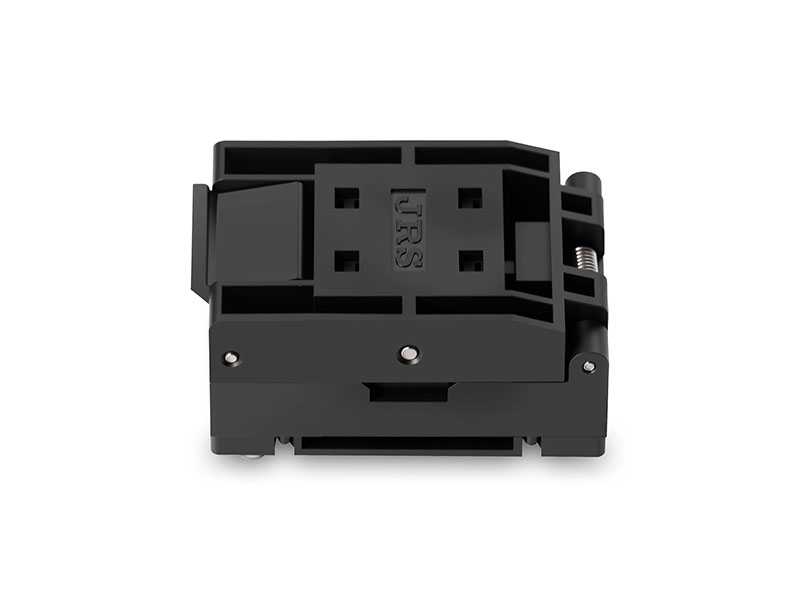
1. Frame Structure: The frame structure of an IC test socket generally consists of a base, a sliding carriage, a bracket, a support frame, etc. The base is typically made of steel plate. The sliding carriage is used for the sliding support frame, the bracket is used to support the test socket, and the support frame is used to support the test items.
2. Test Components: The test components of an IC test socket generally consist of a bracket, a support frame, the test socket itself, a test base, another bracket, another support frame, etc. The bracket is used to support the test items on the test socket, the support frame is used to support the test socket, the test socket is used to mount the test items, the test base is used to support the test socket, and the bracket is used to support the test items on the test socket.
3. Electrical Control Components: The electrical control components of an IC test socket generally consist of a control panel, a test power supply, a test system, and a control circuit. The control panel is used to control the testing process on the test socket. The test power supply provides power to the test items on the test socket. The test system is used to test the test items on the test socket. The control circuit is used to control the testing process on the IC test socket.
2. Mounting Methods for IC Test Sockets
1. Sliding Mounting: Sliding mounting involves placing the IC test socket on a sliding plate, then sliding the sliding plate into the mounting position, and finally securing the IC test socket to the sliding plate.
2. Bolt Mounting: Bolt mounting involves fixing the IC test socket to a base using bolts, and then placing the base in the mounting position.
3. Suspension Mounting: Suspension mounting involves hanging the IC test socket on a bracket, then securing the bracket to the mounting position, and finally suspending the IC test socket from the bracket.
3. Safety Measures for IC Test Sockets
1. Grounding Safety Measures: Before installing an IC test socket, grounding safety measures should be completed first to ensure the safe operation of the IC test socket and prevent testing accidents.
2. Installation Safety Measures: The installation of the IC test socket should follow certain safety measures to ensure its safe operation and prevent accidental events.
3. Operational Safety Measures: When operating the IC test socket, certain safety measures should be followed to ensure its safe operation and prevent accidental events.
4. Maintenance Safety Measures: Maintenance of the IC test socket should follow certain safety measures to ensure its safe operation and prevent accidental events.
4. Testing Methods for IC Test Sockets
1. Visual Inspection: First, a visual inspection of the IC test socket should be performed to check whether the structure of the test socket is intact, whether the connectors are secure, whether the control panel is functioning normally, and whether the test items on the test socket are in normal condition.
2. Performance Test: Next is the performance test. The test items in the IC test socket should be connected to the test power supply one by one and undergo performance testing to verify whether their performance is normal under specified conditions.
3. Stability Test: The stability test is also essential. The test items in the IC test socket should be connected to the test system and tested for stability under environmental conditions such as high temperature, low temperature, vibration, and shock.
4. Reliability Test: Finally, there is the reliability test. The test items in the IC test socket should be connected to the test system to verify whether they can maintain their reliability after repeated testing.
5. Quality Inspection for IC Test Sockets
1. Visual Inspection: In the quality inspection of an IC test socket, a visual inspection should be performed first to check whether the appearance of the IC test socket is intact, whether there are obvious defects, and whether the connectors of the IC test socket are secure.
2. Structural Inspection: Next is the structural inspection, which checks whether the structure of the test socket is intact, whether the brackets, support frames, and test socket are secure, whether the control panel is functioning normally, and whether the test items on the test socket are in normal condition.
3. Performance Verification: Following that is performance verification. The test items in the IC test socket should be connected to the test power supply one by one and undergo performance testing to verify whether their performance is normal under specified conditions.
4. Reliability Verification: Finally, there is reliability verification. The test items in the IC test socket should be connected to the test system to verify whether they can maintain their reliability after repeated testing.

 WeChat
 WeChat Account
 Chinese
 English